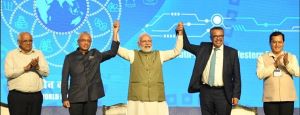
The Sustainable Development Goals (SDG) commitment to “leaving no one behind”, can benefit from the potential of Indigenous knowledge (IK) and Traditional, Complementary and Integrative Medicine systems (TCIM) for global health and well-being. Recent advances in technology, such as the emergence of systems biology, and developments in bioinformatics and artificial intelligence have helped scientists to understand ancient knowledge systems better. There is now a rising support for TCIM from global bodies, like the establishment of the Global Centre for Traditional Medicine (GCTM) in Jamnagar, India by the World Health Organisation (WHO). To support GCTM, India has committed US $250 million. Government offices of 107 member countries of the World Health Organization will be based in the centre.
Dr Monika Kochar, Advisor Health, and Ms. Porismita Sharma, Intern, DAKSHIN-GSCE
India's health system has traditionally been evaluated in terms of inclusion, providing access to healthcare for the marginalized through programs like Ayushman Bharat. Yet, the COVID-19 pandemic laid bare the vulnerabilities in Research and Development (R&D), necessitating a more robust, resilient health system. This was a critical point of call to action, signalling the transition toward investment in the health research future.
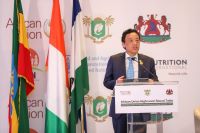
Addressing a High-Level Side Event at the 38th African Union (AU) Summit, the Director-General of the Food and Agriculture Organization of the United Nations (FAO), QU Dongyu, told African leaders gathered in Addis Ababa that “bold investments” are needed to achieve our collective vision for economic growth and development in Africa, a continent that continues to face unacceptably high levels of hunger and malnutrition.
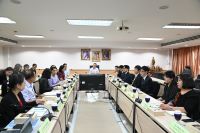
On January 28, a technical cooperation programme was launched, aimed at establishing and strengthening capacity at the ASEAN Centre for Public Health Emergencies and Emerging Diseases (ACPHEED), which will serve as a key hub for preparedness, detection, and response to public health emergencies and emerging infectious diseases in the ASEAN region.
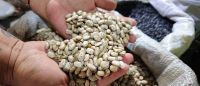
Pulses play a key role in transforming agrifood systems by promoting sustainability, nutrition, and agricultural productivity while supporting people's livelihoods, the Food and Agriculture Organization of the United Nations (FAO) and Peru's Ministry of Agrarian Development and Irrigation (MIDAGRI) emphasized today during the global commemoration event of World Pulses Day 2025.
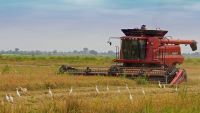
As part of broader efforts towards food security, Nigeria has improved its capacities in agricultural monitoring, disease identification and yield prediction, especially since joining the CropWatch Innovative Cooperation Programme led by UNCTAD, which provides real-time agro-climatic and agronomic assessments, including crop conditions, acreage, yield predictions as well as early warnings for pests and drought.
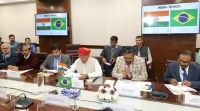
In a meeting between Governor Ronaldo Caiado, of the state of Goias, Brazil, met Bhagirath Choudhary, the Indian Minister of States for Agriculture and Farmers Welfare agreed to collaborate to exchange best practices in the area of agricultural productivity, ensuring food security, and contributing to the overall well-being of the citizens of the two countries.
Jitin Prasada, Union Minister of State of Commerce and Industry of India and U Minn Minn, Deputy Minister for Ministry of Commerce of Myanmar met to discuss possibilities in areas of pharmaceuticals, pulses & beans, petroleum products and greater use of the recently launched Rupee-Kyat Trade Settlement Mechanism to foster mutual growth.
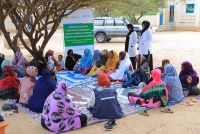
King Salman Humanitarian Aid and Relief Center (KSrelief) has enabled the government of Somalia and UNFPA to make a significant impact in transforming the lives of small and sick new-born babies with support for procurement and distribution of 10 neonatal incubators, 10 radiant warmers and 10 monitors to strengthen the neonatal intensive care units.
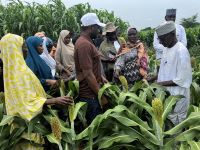
In Nigeria’s drylands, a seed revolution is transforming the landscape, bringing hope and prosperity to farmers in even the most remote communities. Through the innovative Farm and Community-Managed Seed System (FCMSS) approach, farmers, women’s groups, and seed entrepreneurs are gaining access to high-quality sorghum seed, driving agricultural transformation in underserved regions.
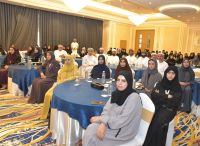
Oman Vision 2040 places health at the forefront of its priorities in order to build a sustainable health system that promotes prevention and reduces the burden of non-communicable diseases. Promoting this vision, Oman and WHO launched the National Survey for Non-Communicable Diseases.
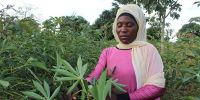
With a project designed to consider women’s needs and overcome some barriers by modifying the selection requirements for cassava seed entrepreneurs (CSEs) and providing targeted support, Tanzania is building sustainable cassava-seed systems for high-quality seed through cassava seed entrepreneurs, while promoting women led entrepreneurship.
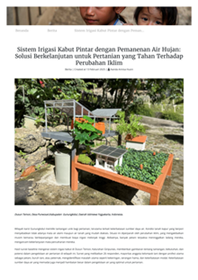
Smart Mist Irrigation System with Rainwater Harvesting is an innovative technology designed to improve water use efficiency in agriculture, especially in areas with limited water availability. This system operates by spraying water in the form of fine mist particles, which helps increase the micro-humidity around plants, reduce evaporation, and ensure more even and efficient water distribution.
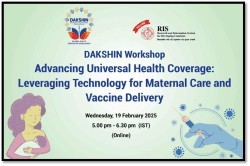
DAKSHIN organized its ninth workshop entitled “Advancing Universal Health Coverage: Leveraging Technology for Maternal Care and Vaccine Delivery” on 19 February 2025. Maternal care and vaccination are important issues concerning the Global South. In particular, this was the third workshop concerning healthcare and it facilitated the rich exchange of ideas, best practices and opportunities for capacity-building vis-à-vis the use of technology to ensure effective maternal care and vaccine delivery.
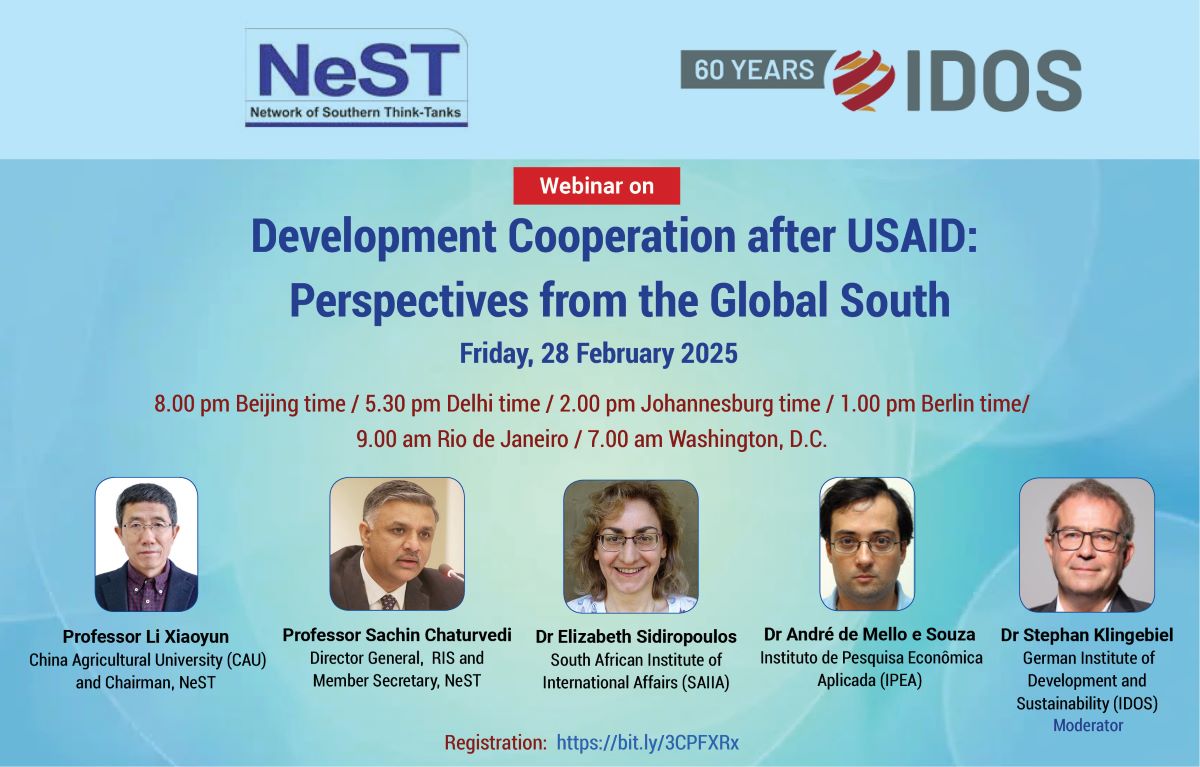
RIS in collaboration with IDOS, Germany is convening a webinar on 28th February, 2025 on the subject “Development Cooperation after USAID: Perspectives from the Global South”. Speakers include Professor Sachin Chaturvedi, DG, RIS, India; Professor Li Xiaoyun, China Agricultural University, China; Dr Elizabeth Sidiropoulos, South African Institute of International Affairs, South Africa; Dr André de Mello e Souza, Institute for Applied Economic Research, Brazil; and Dr Stephen Klingebiel, German Institute of Development and Sustainability, Germany.